📞  — free, 24/7
— free, 24/7 — free, 24/7Medications and pharmacy supplies for managing Parkinson's disease, including levodopa combinations, dopamine agonists, MAO‑B inhibitors, COMT inhibitors, and formulations such as oral, controlled‑release, patch and injectable options. Also covers symptom support therapies for motor and non‑motor issues.
Medications and pharmacy supplies for managing Parkinson's disease, including levodopa combinations, dopamine agonists, MAO‑B inhibitors, COMT inhibitors, and formulations such as oral, controlled‑release, patch and injectable options. Also covers symptom support therapies for motor and non‑motor issues.
Medications for Parkinson's disease are a group of pharmaceutical treatments designed to manage the symptoms associated with Parkinsonian syndromes, most commonly idiopathic Parkinson’s disease. Parkinson’s is a progressive neurological condition that primarily affects movement control, producing tremor, stiffness, slowness of movement and balance problems, along with non-motor symptoms. The medicines found in this category focus on improving motor function, reducing symptom fluctuations, and addressing selected non-motor issues to help maintain daily functioning and quality of life.
These drugs are most often used to treat the cardinal motor symptoms of Parkinson’s disease such as tremor, rigidity, bradykinesia (slowness), and problems with gait and balance. Some medications are aimed at reducing “off” time when symptoms return between doses, while others may be useful for managing medication-induced complications like involuntary movements. Treatment approaches vary by disease stage and individual symptom pattern, with therapies chosen to balance symptom relief against tolerability and day-to-day consistency.
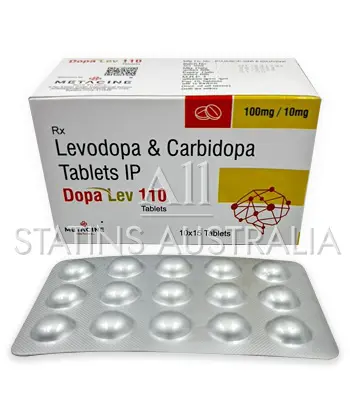
Several broad classes of medicines are represented here. Levodopa preparations, often given with a peripheral inhibitor such as carbidopa (for example in long-acting and immediate-release formats), are the most widely used agents for symptomatic control. Dopamine agonists, including drugs such as pramipexole and ropinirole, mimic dopamine activity in the brain and are often used early or as adjuncts. MAO-B inhibitors reduce breakdown of dopamine, while anticholinergic agents and drugs like amantadine have specific roles for tremor or dyskinesia. Examples commonly encountered include levodopa combinations (Sinemet, Stalevo), dopamine agonists (Mirapex, Requip), MAO-B inhibitors (Eldepryl), anticholinergics (Artane, Kemadrin) and amantadine (Symmetrel).
How these medicines are used depends on formulation and individual response. Immediate-release tablets provide relatively rapid symptom benefit, whereas controlled-release or extended formulations aim to smooth blood levels and reduce fluctuations. Some medications are used alone in early disease, while combinations become more common as needs change. Timing of doses, whether a product is taken with food, and the availability of sustained-release or combination products are practical considerations that affect daily symptom control and convenience.
Safety considerations are an important part of selecting and managing Parkinson’s medicines. Side effects vary by drug class and can include nausea, lightheadedness on standing, sleepiness, hallucinations, cognitive changes, or anticholinergic effects such as dry mouth and blurred vision. Dopamine agonists have been associated with behavioral effects in some people, and certain drug combinations require attention to potential interactions. Because of these varied effects, prescribers typically monitor response and tolerability and may adjust regimens over time to maintain benefit while minimizing unwanted effects.
People shopping for Parkinson’s medications commonly compare how effectively a treatment controls their particular symptoms, how long relief lasts, the frequency and convenience of dosing, and the likelihood of side effects or interactions with other medicines. Formulation options (immediate versus extended release, combination products), the stage of the condition, and individual lifestyle needs also influence choice. Prescription decisions are individualized, taking into account symptom pattern, treatment goals, and the overall safety and tolerability profile of available options.