📞  — free, 24/7
— free, 24/7 — free, 24/7Treatments and supportive products for gout and acute gout flares, including short-term pain and inflammation relief plus long-term uric acid management. Includes NSAIDs, colchicine, xanthine oxidase inhibitors (allopurinol, febuxostat), and preventive supplements.
Treatments and supportive products for gout and acute gout flares, including short-term pain and inflammation relief plus long-term uric acid management. Includes NSAIDs, colchicine, xanthine oxidase inhibitors (allopurinol, febuxostat), and preventive supplements.
Gout is a form of inflammatory arthritis caused by elevated levels of uric acid in the blood, which can lead to painful crystals forming in joints and tissues. The medicines grouped in this category are intended to relieve pain during sudden attacks, reduce inflammation, and manage longer-term uric acid levels to lower the risk of recurrent flares and complications such as joint damage or kidney stones. Information here focuses on commonly prescribed pharmaceutical options rather than lifestyle measures.
Medications in this area are commonly used in two broad ways: short-term treatment of acute gout flares and long-term control to prevent future attacks. For acute episodes, the main goal is rapid reduction of inflammation and pain. For chronic management, the objective is to keep blood uric acid at a level that discourages crystal formation, which often requires ongoing daily therapy and periodic monitoring. Patterns of use can vary depending on individual health status and treatment goals.
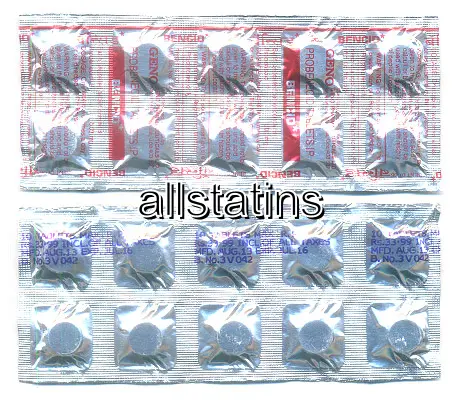
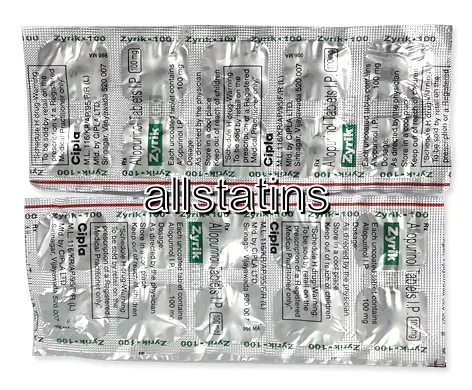
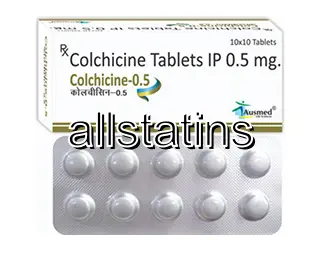
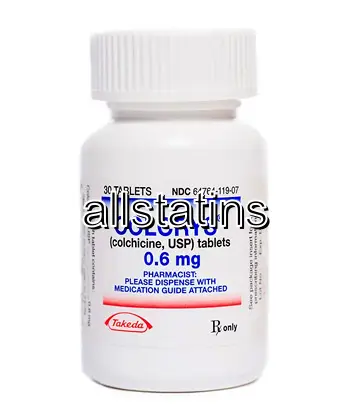
There are several types of medicines used for these purposes. Anti-inflammatory drugs such as colchicine are frequently prescribed to reduce pain and swelling during an attack; colchicine is also used in low doses for flare prevention. Urate-lowering therapies aim to decrease production or increase elimination of uric acid. Allopurinol (sometimes seen under names such as Zyloprim) reduces uric acid production, while uricosuric agents like probenecid (sold under some trade names such as Benemid) help the kidneys remove excess uric acid. This category includes both short-acting agents for flares and agents intended for long-term control.
How these medicines are used depends on the intended result: rapid symptom relief versus gradual reduction of uric acid levels. Acute-flare medications are typically taken for a limited period to control intense symptoms, whereas urate-lowering medicines may be prescribed as a longer-term daily regimen. Some individuals receive combinations of these approaches during transitions in therapy. Dosage forms in this category include immediate-release tablets and capsules in a range of strengths to accommodate different treatment plans.
General safety considerations relate to side effects, interactions, and underlying health conditions. Commonly reported adverse effects include gastrointestinal upset with colchicine, skin rash or hypersensitivity reactions with allopurinol, and altered kidney function with certain uricosuric drugs. Colchicine can interact with some cholesterol-lowering drugs (statins) and certain antibiotics, leading to increased side effects; urate-lowering medications can affect liver or kidney monitoring parameters. Many medicines in this category require prescription and periodic laboratory tests to assess safety and effectiveness.
When choosing products from this category, users often compare factors such as whether a medicine treats immediate pain or addresses long-term urate control, the expected time to effect, dosing frequency, likelihood of side effects, and whether generics are available. Other considerations include formulation (tablet size and strength), whether a prescription is required, and how a medicine fits into existing treatment for other conditions. Clear, factual product information and details on common adverse effects or monitoring requirements are typically what consumers seek when exploring gout medications online.