📞  — free, 24/7
— free, 24/7 — free, 24/7Products for urinary tract comfort and health, covering UTI relief, preventive supplements such as cranberry and probiotics, bladder support and incontinence care, pH-balancing washes, and diagnostic strips. Focuses on symptom management, prevention, and monitoring.
Products for urinary tract comfort and health, covering UTI relief, preventive supplements such as cranberry and probiotics, bladder support and incontinence care, pH-balancing washes, and diagnostic strips. Focuses on symptom management, prevention, and monitoring.
Medicines in the Urinary Health category are those used to manage conditions of the lower urinary tract, including the bladder, urethra and, in men, the prostate. These products aim to reduce troublesome urinary symptoms such as urgency, frequency, leakage, incomplete emptying and weak stream. The category brings together several therapeutic approaches that affect bladder muscle activity, urinary sphincter control and urinary flow, so consumers can find options that address different underlying mechanisms of urinary symptoms.
Common situations in which these medicines are used include overactive bladder with urge incontinence, daytime or nighttime frequency, bladder spasms after surgery or injury, and lower urinary tract symptoms related to benign prostatic enlargement. Some agents are intended to relax an overactive bladder muscle, others improve urine flow by relaxing smooth muscle in the prostate and bladder neck, and additional products may relieve spasm or discomfort. Use patterns range from short-term symptom control to longer-term management of chronic bladder dysfunction.
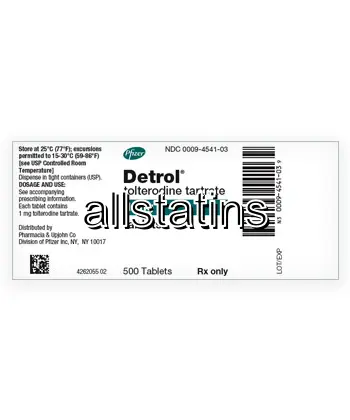
The category includes several classes of medications and familiar examples. Antimuscarinic or anticholinergic agents such as tolterodine (Detrol, Detrol LA) and oxybutynin (Ditropan, Oxytrol patch) work by reducing involuntary bladder contractions. Another commonly used class is alpha‑1 blockers, which relax the muscles around the neck of the bladder and prostate; examples include tamsulosin (Flomax), terazosin (Hytrin), prazosin (Minipress) and alfuzosin (Uroxatral). Antispasmodic medicines such as flavoxate (Urispas) are used for bladder spasms, and newer agents with different mechanisms are also available. Products come in a variety of formulations, including immediate‑release and extended‑release tablets, transdermal patches and oral liquid forms, to suit different preferences and clinical needs.
Safety and tolerability vary across these medicines. Typical side effects associated with antimuscarinic drugs include dry mouth, constipation, blurred vision and possible cognitive effects in older adults, while alpha‑1 blockers can cause dizziness and drops in blood pressure, particularly on standing. Drug interactions, coexisting medical conditions such as certain types of glaucoma or severe urinary retention, and considerations around pregnancy or breastfeeding can affect suitability. Package information and approved prescribing information detail indications, contraindications and common adverse effects for each product.
When comparing options within this category, people commonly consider how well a medicine relieves their primary symptom (for example urgency versus weak stream), how quickly it acts, how often it must be taken, and what side effects are most likely. Formulation and convenience also matter: some prefer an extended‑release tablet or a patch to reduce daily dosing, while others need a product that can be started or stopped more readily. Compatibility with other medications and overall health status are also frequent factors in selecting an appropriate option.
Availability varies by product and country: some agents are prescription‑only while others may be available without a prescription in certain markets, and specific formulations differ between regions. Product labels and official prescribing information describe intended use, dosing forms and monitoring recommendations. For people seeking relief from urinary symptoms, clear information about how a medicine works, what effects to expect and which adverse effects are most common helps support informed choices when considering the options in this category.