📞  — free, 24/7
— free, 24/7 — free, 24/7Treating and managing migraine attacks and prevention: prescription and OTC pain relievers (triptans, NSAIDs, acetaminophen), antiemetics, preventive medications, supplements like magnesium and riboflavin, plus supportive aids such as cooling packs, patches and nasal relief.
Treating and managing migraine attacks and prevention: prescription and OTC pain relievers (triptans, NSAIDs, acetaminophen), antiemetics, preventive medications, supplements like magnesium and riboflavin, plus supportive aids such as cooling packs, patches and nasal relief.
The Migraine category covers medicines used to relieve and reduce the frequency of migraine headaches and the symptoms that often accompany them, such as nausea, vomiting, light and sound sensitivity, and visual disturbances. Products in this category are intended for different stages of migraine care, from immediate relief of an acute attack to longer-term preventive strategies that aim to decrease how often attacks occur and how severe they are.
Medications here are commonly used in two main ways: to treat an individual migraine when it starts (acute treatment) and to prevent future episodes (preventive treatment). Acute treatments focus on stopping pain and associated symptoms quickly, while preventive options are taken regularly to lower attack frequency, duration or intensity. Some people may use both types at different times depending on their pattern of migraines, attack severity and response to previous treatments.
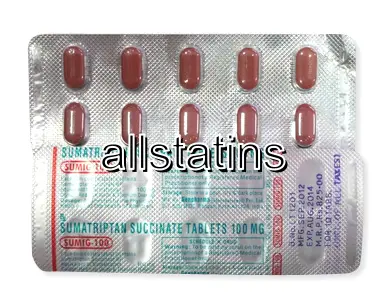
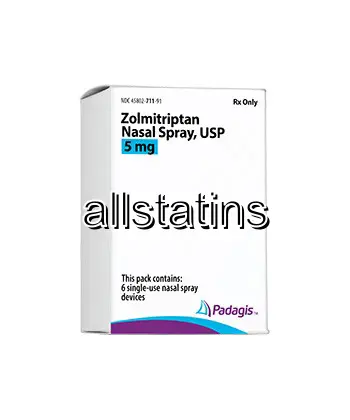
The category includes several classes of medicines. Simple and nonsteroidal analgesics such as paracetamol (acetaminophen), ibuprofen and naproxen are often used for mild to moderate attacks. Triptans — for example sumatriptan, rizatriptan and eletriptan — are common choices for moderate to severe migraine and are available in oral, nasal spray and injectable forms. Other acute options include ergots such as dihydroergotamine, antiemetics like metoclopramide for nausea, and newer agents such as gepants (rimegepant, ubrogepant) and ditans (lasmiditan). Preventive medicines cover a broader range, including certain beta‑blockers (propranolol), anticonvulsants (topiramate), some antidepressants (amitriptyline) and targeted therapies such as monoclonal antibodies against the CGRP pathway (erenumab, fremanezumab, galcanezumab).
General safety considerations are important because efficacy and risks vary by drug class. Some treatments can cause side effects such as drowsiness, dizziness, gastrointestinal upset or changes in blood pressure. Triptans and ergots have specific cardiovascular considerations and are not suitable in certain heart or circulation conditions. Liver and kidney function can affect dosing for some medicines, and frequent use of acute painkillers can lead to medication‑overuse headache. Several products require a prescription and may interact with other medicines, so product labels and professional information provide important safety details.
When choosing a migraine medicine, people commonly weigh factors such as how quickly relief is needed, how severe and predictable their attacks are, and how tolerable the side effects are. Ease of use and formulation matter too: oral tablets, dissolving wafers, nasal sprays and injectables offer different onset speeds and convenience. Cost, availability, whether a medicine is over‑the‑counter or prescription, and previous treatment responses also influence selection.
Availability of different treatment options means many users try several approaches to find what works best for their pattern of migraine. Combination strategies — for example an acute agent plus an antiemetic — are sometimes used to manage specific symptoms. Products in this category reflect a range of mechanisms and durations of action, giving options for single‑attack relief and longer‑term prevention, with choices typically guided by individual needs, coexisting health conditions and tolerability considerations.