📞  — free, 24/7
— free, 24/7 — free, 24/7Medications for treating and preventing parasitic infections: oral and topical options for intestinal worms, protozoa (e.g., giardia), and external parasites such as lice and scabies. Includes systemic therapies and both prescription and OTC formulations.
Medications for treating and preventing parasitic infections: oral and topical options for intestinal worms, protozoa (e.g., giardia), and external parasites such as lice and scabies. Includes systemic therapies and both prescription and OTC formulations.
Antiparasitic medicines are a group of treatments used to target organisms that live on or inside the human body and derive nutrients at the host's expense. This category covers drugs active against intestinal worms, tissue-dwelling helminths, single-celled protozoa and external parasites such as lice or mites. Products vary in how they reach the parasite — some act systemically after oral administration, others are formulated for topical application — and are chosen according to the type of parasite and site of infection.
Common situations that lead to use of antiparasitics include intestinal infestations like roundworm, hookworm, pinworm and tapeworm; tissue infections such as filariasis or strongyloidiasis; trematode diseases like schistosomiasis; and protozoal infections such as giardiasis or trichomoniasis. Treatments can be single-dose regimens or courses lasting several days, and some agents are intended for mass-treatment programs in areas with high prevalence while others are prescribed for individual cases identified by diagnostic testing.
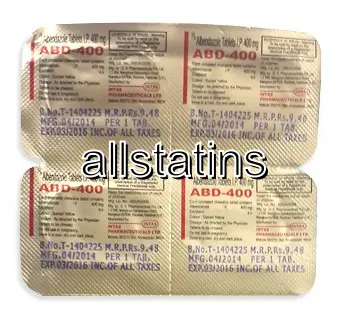
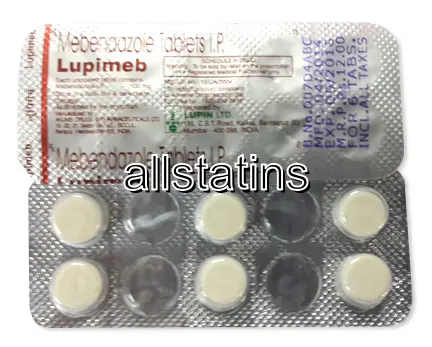
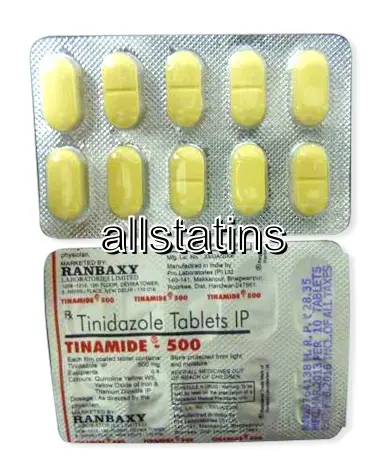
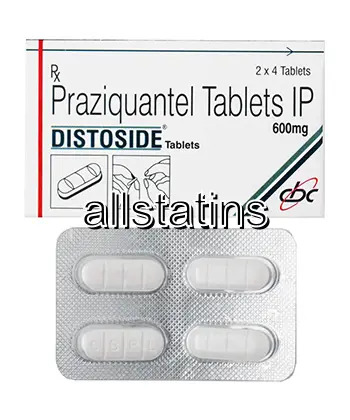
The medicines in this category represent several chemical classes and mechanisms of action. Benzimidazoles (for example albendazole and mebendazole) interfere with parasite energy metabolism and are widely used for many intestinal worms. Macrocyclic lactones such as ivermectin are active against a range of nematodes and some ectoparasites. Praziquantel is commonly used for fluke and tapeworm infections, and nitroimidazoles such as tinidazole are effective against certain protozoa. Formulation types include tablets, oral suspensions and topical creams or lotions.
Safety profiles and potential adverse effects differ between agents. Mild gastrointestinal symptoms, headache or dizziness are among the more frequently reported effects, while other reactions may relate to the parasite dying off and being cleared by the body. Some antiparasitic medicines have specific cautions for use in pregnancy, in young children or in people with liver impairment, and a few interact with other drugs metabolized by the liver. Product labels and regulatory information outline known risks and any recommended monitoring or contraindications relevant to particular medicines.
When selecting an antiparasitic product, consumers commonly consider which parasites are covered by the medicine, the required duration and complexity of dosing, the available formulations and age-appropriate options, and known side effect profiles. Prescription status and the need for diagnostic confirmation are also important factors in many countries. Clear information on active ingredients, typical indications and administration format helps users and healthcare professionals choose the most appropriate option for a given situation.